
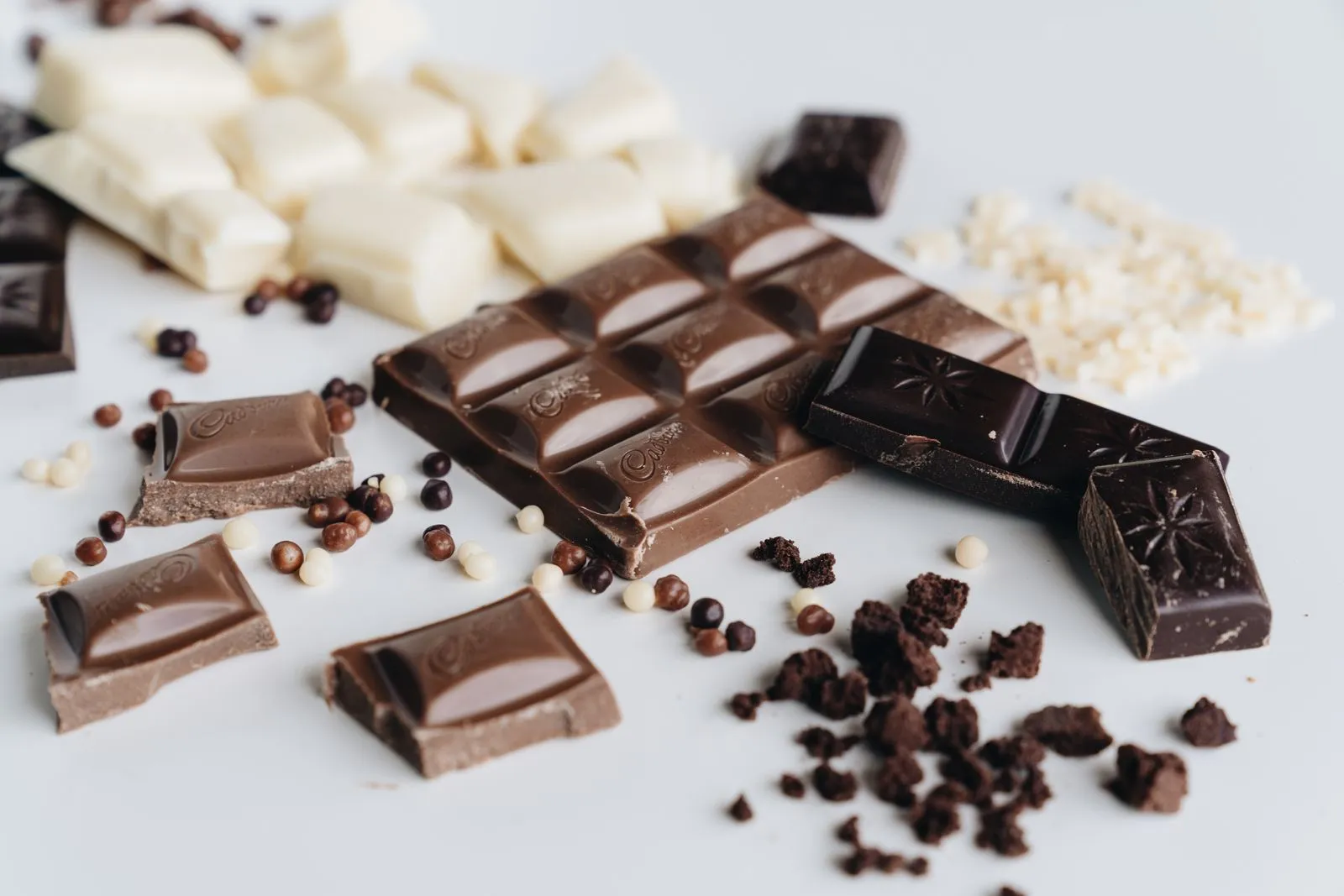
Tasting dark chocolate is less about finding the “right” flavor and more about paying attention. A bar may smell different from how it tastes, and its flavors can shift as it melts. You do not need special equipment or a trained palate. Choose a quiet moment, take a small piece, and notice what you sense before, during, and after the first bite. This easy routine can make each bar more interesting to explore.
Start With Aroma
Break off a small piece and pause before eating it. Bring it near your nose and take a gentle breath. Notice your first impression: does it smell fruity, nutty, earthy, floral, or roasted? You might recognize a familiar scent, or simply find that it smells sweet, warm, or intense. There is no need to identify a specific ingredient.
Next, snap the chocolate near your ear. A clean snap can tell you the bar is firm, while the sound itself may make you more aware of its texture. Smell the broken edge once more. Breaking the piece exposes a fresh surface, which can make its aroma easier to notice.
Let Texture Develop
Place a small piece on your tongue and let it soften before chewing. Notice whether it melts slowly or quickly, and whether it feels smooth, creamy, dense, or slightly grainy. Chocolate temperature affects how it melts, so allow the piece a moment to warm in your mouth rather than judging it immediately.
If you prefer, take one gentle bite after the chocolate has begun to soften. Pay attention to how it coats your mouth and whether the texture changes as you chew. A dry or chalky sensation is different from a smooth finish, but neither description needs to be treated as a score. Simply note what you experience.
Notice Bitterness and Flavor
Bitterness is one part of dark chocolate’s taste, not the whole story. As the piece melts, notice when bitterness appears and how strong it feels. You may also sense sweetness, acidity, or a roasted quality. Try describing each sensation in plain words rather than deciding whether the bar tastes “good” or “bad.”
Look for flavors that emerge after the first impression. A piece might bring to mind berries, citrus, nuts, coffee, or spices, but these are personal comparisons, not ingredients you need to prove. Take a sip of water between different bars if you are tasting more than one. This can help each new piece feel distinct.
Track the Finish
After swallowing, wait a few seconds and notice what remains. The finish might be brief or lingering, sweet or dry, bright or deeply roasted. See whether the aroma you noticed at the start returns, or whether a new flavor becomes clearer. The aftertaste is part of the tasting experience, so give it a moment before reaching for another piece.
For an easy tasting note, write down three observations: one about aroma, one about texture, and one about flavor or finish. Keep the notes simple, such as “nutty smell, smooth melt, lingering bitterness.” Comparing these short descriptions later can help you discover which styles of dark chocolate you enjoy most.
A thoughtful chocolate tasting can take only a few minutes: pause for the aroma, let the texture develop, notice bitterness alongside other flavors, and check the finish. Your impressions are your own, and they may change from bar to bar. Try this routine with a piece you already have, or explore a bar from Madison Cacao Works.